
This week I am spending time at the Chopra Center learning a bit more about Ayurveda Lifestyle. The topic of health, nutrition,and family is always up for discussion, so I was inspired to write about family budgeting .
My nutrition path did not get off to a good start. I was a chubby child growing up, not because we couldn’t afford to buy healthy foods, but because my family just enjoyed having a variety of treats in my home and no one really monitored what I was eating. In my teen years I struggled a bit with my weight and ended up starving myself for days until I became so skinny I looked ill.
I became a mother at a very young age and very early in life had to figure out what to feed my children. Feeding a family of five, 7 days a week will test one’s ability to continually come up with diverse, healthy, and affordable meals. However, I was not really educated enough in nutrition to always make the most healthy choices. When I first started to cook for my family I chose the taste route, the route with loads of butter, cheese, cream…all the ingredients that make food delicious, but are not necessarily the best choices for you. Not that there is anything thing wrong with making rich delicious foods, but some balance is always necessary for good health. After I gained some experience with my cooking, I became more adventurous and started to experiment and create my own recipes.
Fast forward a couple of months into our marriage and a few questionable dishes (some may call them disasters) I was in my element cooking for my family and friends. I started to studying nutrition and the focus of my cooking shifted. Healthy cooking became a priority in my house.I started shopping at health food stores, so as many others moms, I ended up blowing my grocery budget making healthier food choices.
Health had become a big priority for me, so I had to figure out a way to continue to make these healthy choices for my family without breaking the bank. I have some tips to share with you that worked for me and for my family once I made the switch to healthier choices. I hope you find a few of them helpful and are able to use some of them.
1. Purchasing and consuming meat.This was the largest obstacle in our house, so is definitely the biggest game changer when it comes down to budgeting. My husband grew up in Texas, practically the beef capital of the world. Combine his upbringing with Brazilian cook outs (churrascaria) that I was accustomed to, and you have a couple of young parents believing that red meat is the cornerstone of every major meal. Today we know how meat is processed before it reaches our tables, so it becomes a subject very hard to ignore. I have a couple of suggestions on how to make buying grass fed meat more affordable. First, try to reduce the intake of meat during the week. Ayurveda suggests that we try to eat less meat, especially red meat, so why not try to eat at least two vegetarian meals a week? You may find that you enjoy having a couple of lighter meals a day during the week. Another way to reduce the intake of meat is to make the portion sizes smaller. Often, our family only needs 1lb of meat in a dish to feed the family (remember that is a family of five). Two chicken breasts diced and mixed into the dish will go much further than you realize. Most of the meat portions, especially in America, are much larger than the suggested portion size. Next, buy in bulk, divide into smaller portions and freeze.I understand the joy and cultural upbringing around meat, but if you only remember one piece of this article, this is one tip I would encourage the most!
2. Buy in Bulk. Wholesales stores such as Costco or Sam’s Club now offer a big variety of organic products. To those who have not shopped at wholesale stores, you will find the initial purchase to be more expensive, however, once you have established your routine, the bill does go down, and the food in the pantry or freezer lasts a whole lot longer! These stores have caught on to demand and regularly offer organics produce, meats, dairy, to snacks. It has become much more affordable to buy organic products. Most products can be frozen or stored for later use. Some of my favorites are the Stonyfield yogurt smoothies for the kids, the frozen organic berries and Acai for my smoothies, fresh spinach,maple syrup, and the organic whole grains bread.
3. Buy in season. Local and organics fruits and vegetables are always at a lower price when in season. Buy fruits and vegetables when they are in season because they have maintained their integrity without having to travel far. This will enable you to enjoy these beautiful fruits and vegetables at their best just as nature intended! Buying in season naturally provides your family with a diverse selection of food. You’d be amazed how much excitement is generated in my house when Nectarines and Peaches finally come into season!
4. Buy local and shop the local farmers market. Local farmers are able to provide a better deal for their produce when we are able to buy direct without the super market as the middle man. Buying produce locally means buying at their freshest state. My local area of the Upstate in South Carolina has a few delivery programs for produce.The Noisy Rabbit and Backyard Produce are companies that provide produce delivery service in the Upstate. The Noisy Rabbit for instance, delivers to local places in the community such as churches, schools, work places, and even the YMCA.
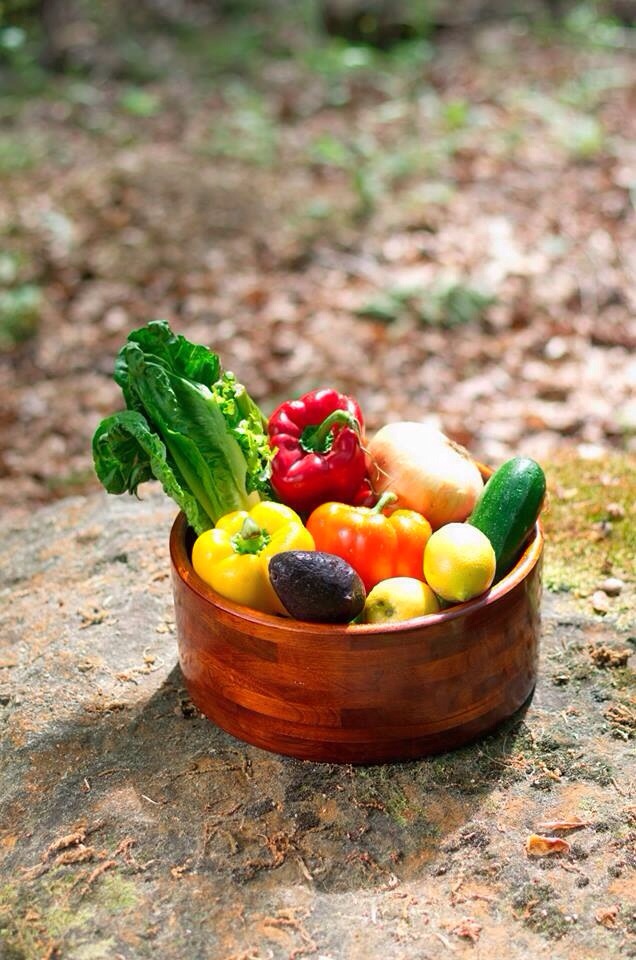
5. Prioritizing organic produce ( Part I). The 2014 dirty dozen list has the following fruits and vegetables as the produce with the highest pesticide load. when possible, make the dirty dozen the priority when choosing to buy organic produce.
- Apples
- Strawberries
- Grapes
- Celery
- Peaches
- Spinach
- Sweet bell peppers
- Nectarines (imported)
- Cucumbers
- Cherry tomatoes
- Snap peas (imported)
- Potatoes
Blueberries and hot peppers are also a concern even though they did not make the list.
6. Prioritizing organic produce (Part II). The clean 15 have the lowest load of pesticide, therefore are safest to buy conventionally. it is still very important to wash them very well with water and vinegar, as water alone does not remove pesticide from produce. Pesticides have to endure rain, so a simple rinse does not guarantee that pesticides have been washed away. The 2014 list of the clean 15 are as follows:
- Avocados
- Sweet corn
- Pineapples
- Cabbage
- Sweet peas (frozen)
- Onions
- Asparagus
- Mangoes
- Papayas
- Kiwi
- Eggplant
- Grapefruit
- Cantaloupe (domestic)
- Cauliflower
- Sweet potatoes
7. Grow your own! This year my family had a lot of fun making compost for our garden, picking out the vegetables we wanted to plant, and also creating the garden together. The children look forward to being able to try any of the fruits or vegetables as soon as they ripen. It is also so easy to just go outside and cut a few of the herbs as I need them!
8. Add beans and legumes to your diet! Garbanzo beans, lentils, black beans, and pinto beans make a great addition to any meals. They make most meals a lot heartier and will require a lot less meat added to your meals. In many cases they act as a meat substitute, such as in my “lentil sloppy joes”
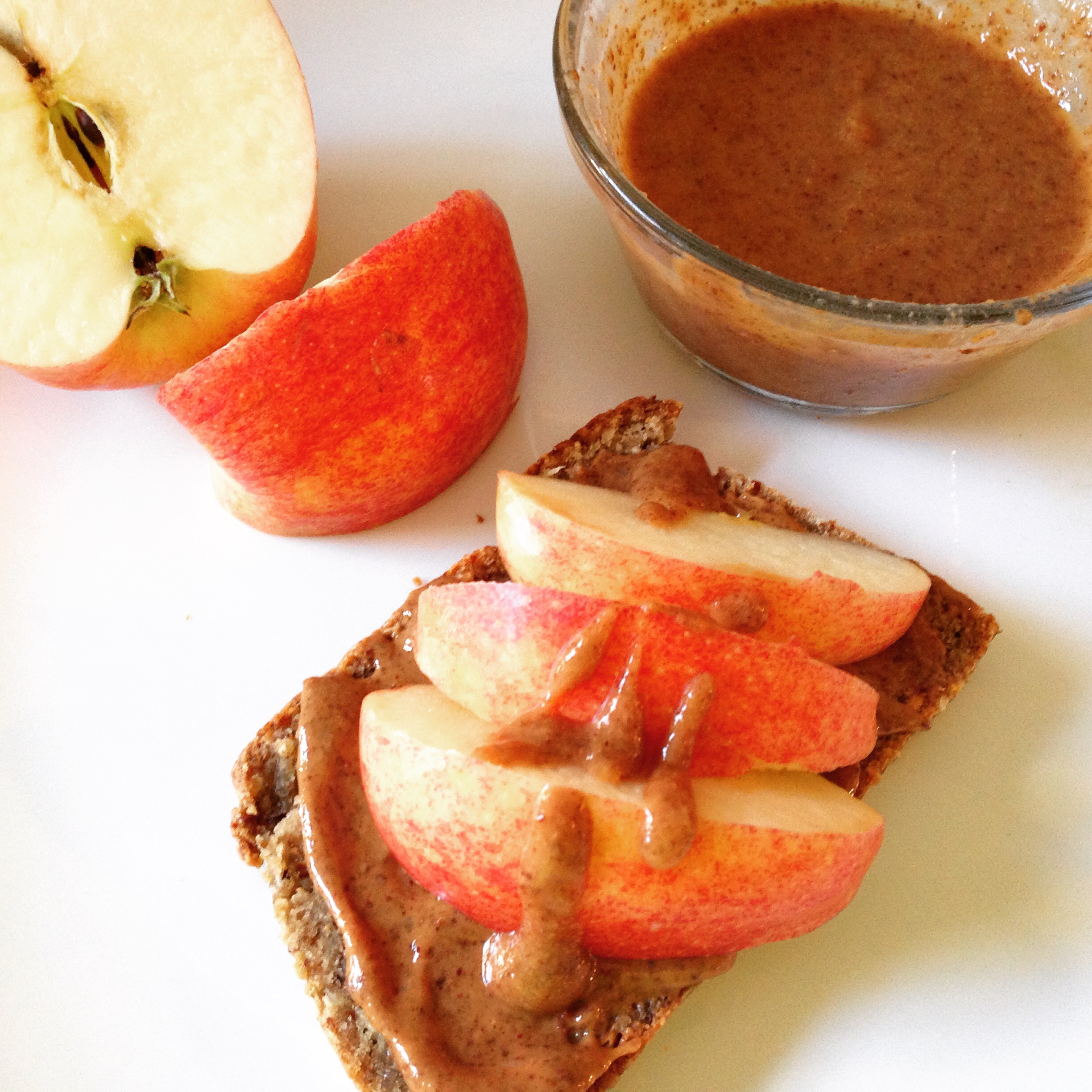
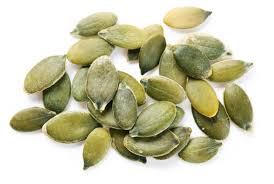
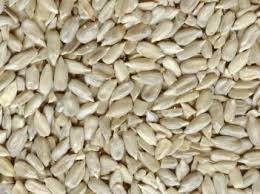
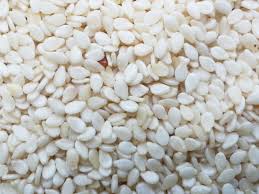
9. Batch cook or make your own. One of the items that I use a lot is vegetable broth. I save all the scraps of vegetables from cooking in a freezer bag and make a big batch of broth every week. I also cook beans in big batches and freeze individual portions for later use. You might want to make your own batch of tomato sauce and freeze for future use! Nut butters are also really easy to make and store.
10. Phase out processed food consumption. Often times processed foods are the most expensive items in the super market. By shifting your snacks from items such as chips and cookies to healthier choices such as fruits and vegetables, you will save more money in the long run. You can also replicate many of the processed foods found in conventional grocery stores at home for a lot less money and much better quality.
These are just some tips that have been very helpful for me when planning for my family’s budget. I understand that every family must make decisions that are best for their individual needs. Incorporate the ones you find that meets your needs and hopefully you will soon notice a difference when making healthier choices. For an individual or family consultation, please contact me directly and I would be delighted to customize a weekly or monthly meal plan.
http://www.blissbalancehealth.com
armenia@blissbalancehealth.com
http://www.facebook.com/blissbalancehealth
Meditation – Ayurveda – Yoga
















 Bliss Balance Health